How to Grow Tons of Strawberries in Plastic Grow Bags
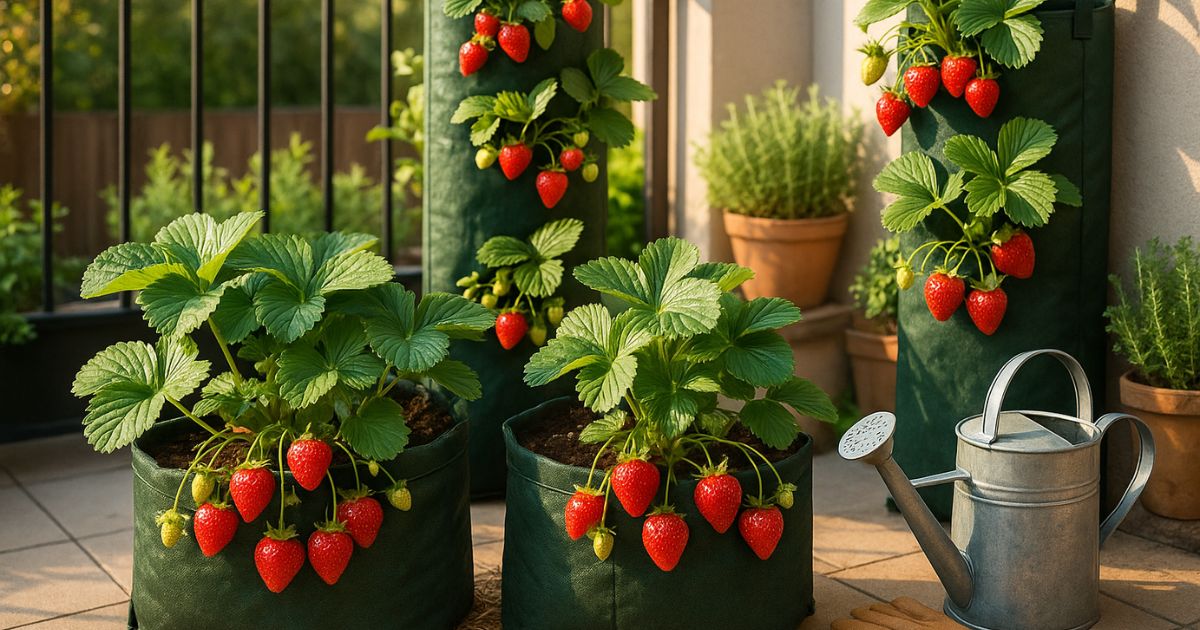
If you’ve ever dreamed of harvesting your own fresh, sweet strawberries but thought you didn’t have the space, think again. Plastic grow bags are a total game-changer. They’re cheap, portable, and perfect for growing strawberries—even if all you have is a balcony or patio.
Let’s dive into how you can grow a bumper crop of strawberries in plastic bags, from setup to harvest.
Why Plastic Grow Bags Work So Well for Strawberries
Plastic grow bags create a perfect micro-environment for strawberries. Here’s why they work:
Good Drainage: Bags come with pre-punched drainage holes, helping prevent root rot.
Root Control: The confined space encourages healthier root development.
Portability: Move them around for more sunlight or to protect them from bad weather.
Vertical Potential: With tower-style bags, you can grow dozens of strawberry plants in a small footprint.
What You’ll Need
Before you get planting, gather these basics:
Plastic grow bags (look for 5-10 gallon sizes or vertical grow bags with side pockets)
High-quality potting mix (light, rich, and well-draining)
Strawberry plants or runners (everbearing or day-neutral varieties work best)
Slow-release organic fertilizer or compost
Mulch (optional, helps retain moisture)
Watering can or hose with a gentle spray nozzle
Step-by-Step Guide to Growing Strawberries in Plastic Bags
1. Choose the Right Variety
Look for compact, high-yielding varieties like:
Albion – everbearing, sweet, and disease-resistant
Seascape – great for containers, fruits continuously
Quinault – excellent for small spaces and hanging setups
Avoid June-bearing types unless you’re aiming for one big harvest.
2. Prep Your Grow Bag
Fill the grow bag about ¾ full with potting mix.
Mix in compost or slow-release fertilizer according to package instructions.
Make sure drainage holes are clear. If not pre-punched, add a few at the bottom.
For vertical bags with side pockets, fill gradually and tuck a plant into each side opening as you go.
3. Plant the Strawberries
Spacing: In a 5-gallon bag, plant 2–3 strawberry plants. For vertical bags, follow pocket spacing.
Gently loosen roots and plant them so the crown (where leaves meet roots) sits right at soil level.
Firm the soil gently around the base.
4. Water the Right Way
Strawberries hate soggy feet but love consistent moisture. Keep soil lightly moist—not soaked.
Water daily in summer or when the top inch of soil feels dry.
Make sure water reaches roots if you’re using a vertical grow bag. A slow trickle works better than a splash.
5. Sunlight Is Key
Strawberries need at least 6 hours of full sun a day.
Place bags in a sunny spot—south-facing patios, decks, or balconies are ideal.
Rotate bags every few days to keep growth even if sun is from one side.
6. Fertilize and Feed
Every 3–4 weeks, feed with a diluted liquid fertilizer, especially once fruiting starts. Or just top-dress with compost mid-season.
Avoid nitrogen-heavy fertilizers—they’ll give you lots of leaves but fewer berries.
7. Mulch and Maintenance
Add straw or coconut husk mulch on top to retain moisture and keep berries clean.
Pinch off runners (the long vine-like stems) unless you want to propagate new plants.
Remove old or yellowing leaves to keep airflow strong.
When and How to Harvest
Pick berries when they’re fully red and ripe—they don’t continue ripening off the plant.
Check bags daily during peak season—ripe strawberries can spoil fast if left too long.
Use scissors or gently twist off fruits to avoid damaging the plant.
Pro Tips for Even More Strawberries
✅ Use vertical bags for small spaces—up to 30 plants can fit in one tower!
✅ Overwinter indoors in colder climates to keep the plants going next season.
✅ Try succession planting—staggered planting every 2–3 weeks for a longer harvest window.
✅ Watch for pests like aphids or slugs, and use neem oil or diatomaceous earth if needed.
Final Thoughts
Growing strawberries in plastic grow bags is simple, space-saving, and seriously satisfying. Whether you’ve got a tiny patio or a full sun-drenched backyard, this method delivers sweet rewards with minimal fuss.
Start with a few plants, follow these easy steps, and before you know it, you’ll be popping sun-warmed strawberries straight from the bag to your mouth. Delicious!

Related Posts
How To Grow A Lemon Tree
How To Grow Your Own Blueberries