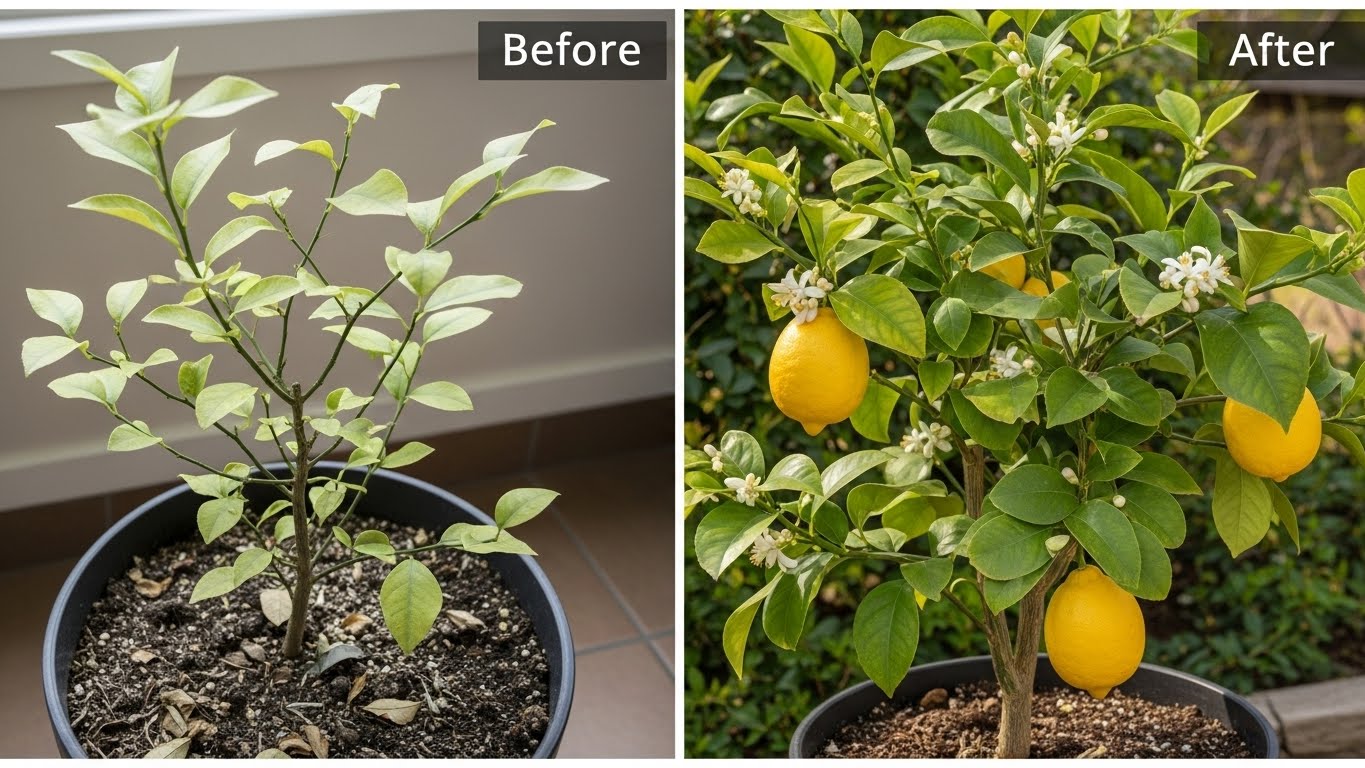
Don’t Buy Lemons Again! Grow This Fragrant Plant Right in a Pot
Imagine walking into your kitchen, reaching for a fresh lemon, and plucking it straight from your own plant. No store trip. No plastic bags. Just fresh, fragrant citrus whenever you need it. Sounds dreamy, right?
Well… it’s easier than you think. You don’t need a backyard, a greenhouse, or years of gardening experience. With the right setup, you can grow a thriving lemon plant in a pot — even indoors.
Let’s break it all down step by step, the simple way.
Why Growing Lemons in Pots Just Makes Sense
Lemon trees are surprisingly well-behaved when grown in containers. In fact, many gardeners prefer pots because they offer control, mobility, and better results.
Here’s why container-grown lemons are a smart choice:
You can move them indoors during cold weather
They thrive on patios, balconies, and sunny windows
Pests and soil issues are easier to manage
You get fresh citrus without committing to a full tree
Plus, that clean citrus scent? It fills the air every time you brush past the leaves. Honestly, it’s half the joy.
Best Lemon Varieties for Pots
Not all lemon trees are created equal. Some grow massive and wild, while others stay compact and polite — perfect for containers.
These varieties do especially well in pots:
🍋 Meyer Lemon
Sweet, fragrant, and incredibly productive. This is the most popular choice for home growers.
🍋 Improved Meyer
A disease-resistant version that thrives indoors or outdoors.
🍋 Ponderosa Lemon
Produces huge fruit and adapts well to container life.
🍋 Lisbon or Eureka (Dwarf Types)
More traditional lemons, great flavor, and manageable size when pruned.
If you’re buying a plant, look for one labeled “dwarf” or “patio citrus.”
Choosing the Right Pot (This Part Matters)
Your lemon plant needs room to breathe — and drain.
Best pot features:
At least 12–16 inches wide for young plants
Drainage holes (non-negotiable)
Terracotta, ceramic, or thick plastic
As your lemon grows, you can size up gradually. Don’t rush it. Roots like cozy before they like roomy.
💡 Tip: Always place a saucer underneath, but never let the pot sit in standing water.
The Best Soil for Healthy Lemon Trees
Lemons hate soggy roots. That’s the fastest way to kill them.
Use:
The goal is light, airy soil that drains fast but still holds nutrients.
Sunlight: The Secret to Flowers and Fruit
Lemon plants are sun lovers. They need at least 6–8 hours of direct sunlight daily.
Best spots:
A sunny south-facing window
A balcony or patio with full sun
Outdoors during warm months
If sunlight is limited, a small grow light works wonders — especially in winter.
Watering Without Killing Your Plant
This is where many people mess up.
Lemons don’t like soggy soil, but they also hate drying out completely.
Here’s the sweet spot:
Water when the top 2 inches of soil feel dry
Water deeply until it drains from the bottom
Empty the saucer afterward
In hot weather, you may water every few days. In winter? Maybe once a week or less.
Feeding Your Lemon Plant (So It Actually Fruits)
Lemon trees are hungry little things.
Feed them with:
A citrus-specific fertilizer, or
A balanced fertilizer every 4–6 weeks during spring and summer
Look for one that contains nitrogen, magnesium, and iron — these keep leaves green and growth strong.
💡 Yellow leaves usually mean the plant is hungry, not dying.
Pruning: Less Is More
You don’t need to go crazy with pruning. Just:
Remove dead or crossing branches
Trim leggy growth to encourage fullness
Shape lightly after fruiting
This keeps airflow strong and the plant compact.
Pollination Tips (Especially Indoors)
Outdoor plants get help from bees. Indoor ones need a little assistance.
Just take a soft brush or cotton swab and gently move pollen from flower to flower. Easy, quick, and oddly satisfying.
When Will You Get Lemons?
Patience pays off here.
Young plants may fruit within 1–2 years
Flowers appear before fruit
Lemons take several months to fully ripen
You’ll know they’re ready when they turn bright yellow and smell amazing.
Common Problems (and Easy Fixes)
Leaves turning yellow?
Likely overwatering or low nutrients.
Flowers dropping?
Usually from stress — temperature swings or lack of light.
No fruit?
Needs more sun, feeding, or patience.
Most issues are easy to fix once you know what to look for.
Why Growing Lemons at Home Is Worth It
There’s something incredibly satisfying about growing your own citrus. The scent alone can lift your mood, and the flavor beats anything from a store.
Plus, once your plant settles in, it just keeps giving.
Fresh lemons for tea, cooking, cleaning, or just enjoying the smell — all from one beautiful potted plant.
Final Thoughts
You don’t need a garden, a greenhouse, or years of experience. With a sunny spot, the right pot, and a little care, you can grow a lemon plant that stays fragrant, productive, and downright joyful.
So skip the store-bought lemons.
Grow your own — and never look back.

Related Posts
How To Grow A Lemon Tree
How To Grow Your Own Blueberries