8 Simple Tricks to Grow Zucchini That Never Quit
When it comes to easy-to-grow, high-yield vegetables, zucchini is the king of summer gardens. But here’s the kicker—most gardeners only scratch the surface of what these plants can produce. If your zucchini plants start strong but fade fast, or if you’re dealing with puny fruits and mystery wilting, you’re not alone.
Let’s fix that.
Here are 8 simple, game-changing tricks to grow zucchini that just don’t know when to quit.
1. Pick the Right Spot—Zucchini Craves Sun
Zucchini plants are sun-worshippers. Without at least 6 to 8 hours of direct sunlight, you’ll get fewer blooms and smaller fruits. More sun equals more flowers, and more flowers mean more zucchini.
Quick Tip: Avoid planting near large, shady crops like corn or tomatoes. Zucchini wants its own sunny corner.
2. Enrich the Soil with Compost and Aged Manure
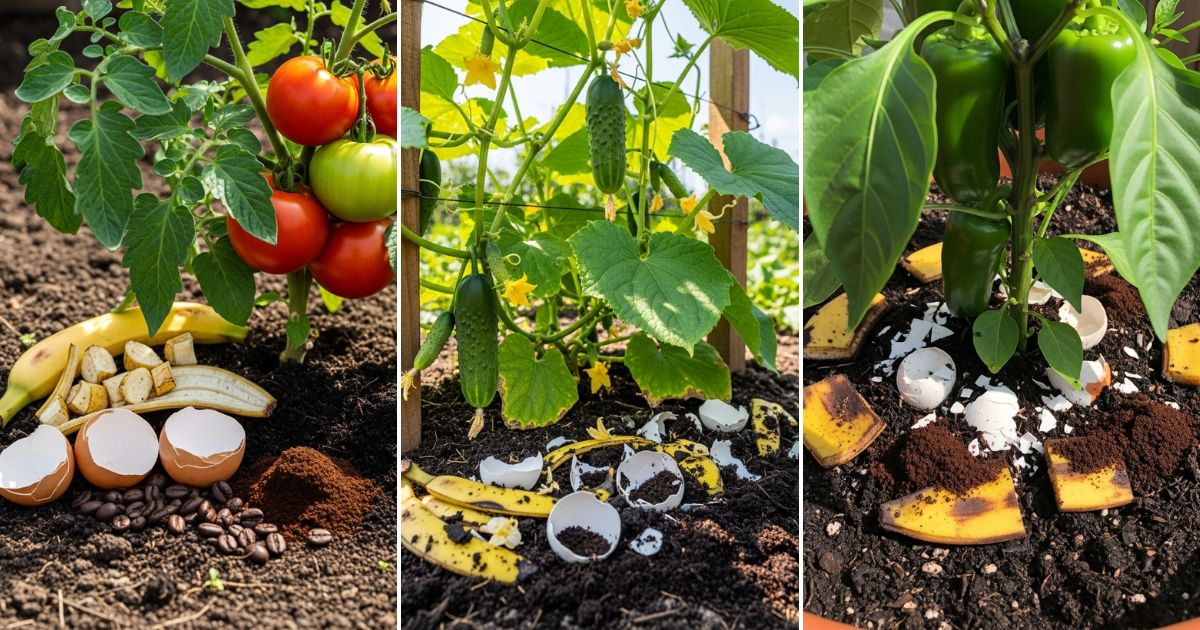
Zucchini plants are heavy feeders. If your soil is tired, so are your plants. Mix in well-rotted compost, aged manure, or worm castings before planting. The richer the soil, the stronger the plant.
Pro Tip: Zucchini loves nitrogen early in the season. A little blood meal or fish emulsion can give seedlings a big head start.
3. Start with Hills or Raised Rows
Planting zucchini on a slight mound or hill (about 6–8 inches high) improves drainage and root warmth. Warm roots grow faster. This technique also makes it easier to keep the base dry and avoid rot.
How to Do It: Space each hill at least 3 feet apart, and plant 2–3 seeds per hill. Thin to the strongest one once they sprout.
4. Water Smart—Deep and Early
Zucchini plants don’t like wet feet, but they do need consistent moisture. Water deeply at the base of the plant early in the day, 2–3 times a week depending on your climate.
Avoid overhead watering. Wet leaves = powdery mildew waiting to happen.
Hack: Use a soaker hose or drip line to keep water off the leaves.
5. Hand-Pollinate for Guaranteed Fruit Set
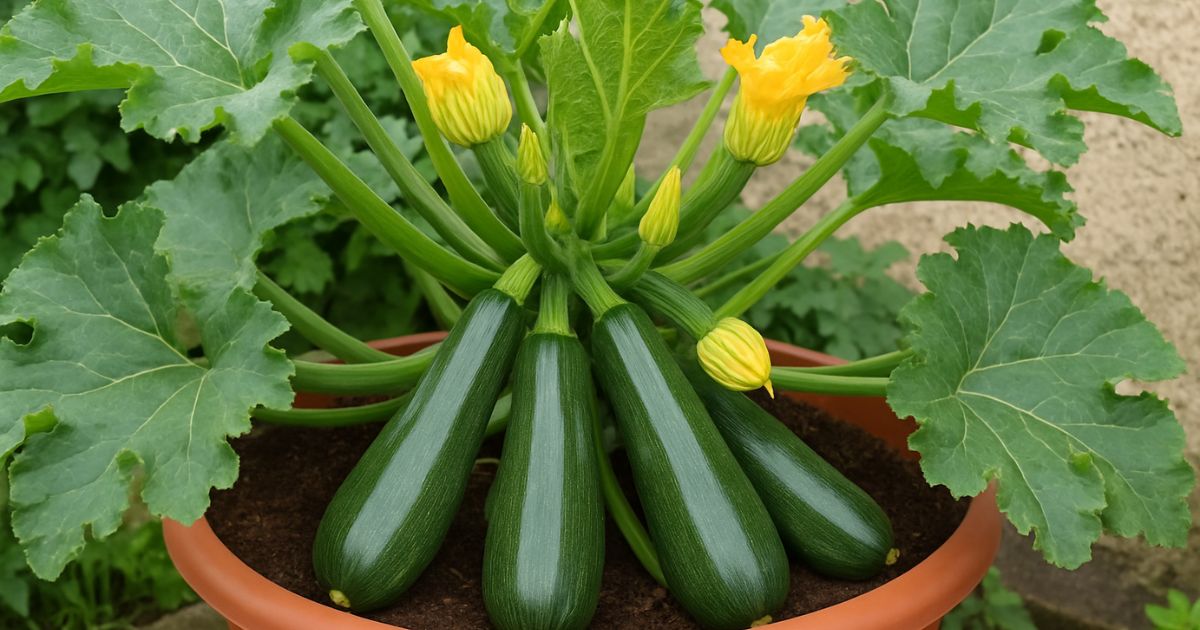
Sometimes, bees just don’t show up. If you notice lots of flowers but no fruit, you may need to step in. Use a small paintbrush to transfer pollen from male flowers (thin stem) to female flowers (with a baby zucchini at the base).
Bonus: Hand-pollinating increases yield and reduces drop-off.
6. Harvest Often—and Early
Here’s the secret most gardeners miss: The more you pick, the more you get. Zucchini plants slow production if fruits are left to mature too long. Harvest when they’re about 6–8 inches long—they’re more tender and keep the plant in full gear.
Don’t yank. Use garden shears to snip fruits cleanly at the base.
7. Mulch to Lock In Moisture and Block Weeds
A 2- to 3-inch layer of mulch—straw, wood chips, or shredded leaves—does wonders for zucchini. It keeps the soil moist, regulates temperature, and stops weeds from stealing nutrients.
Bonus: Mulch also acts as a barrier against squash vine borers and soil-borne fungal spores.
8. Pinch Off Excess Leaves and Suckers
Zucchini can get wild and jungle-like. While it’s tempting to let them go, trimming a few of the oldest lower leaves improves airflow and keeps diseases at bay. You can also remove non-productive suckers that form at the base to focus energy on fruiting.
Cut leaves at the base—never in the middle of the plant—to avoid infection.
Final Thoughts: Let Your Zucchini Go the Distance
Zucchini has the potential to feed your family all summer long—if you give it what it needs. With these 8 easy tips, your plants will be healthier, more productive, and way less work in the long run.
So go ahead—plant a few hills, follow these tricks, and you just might find yourself giving zucchinis away by the bagful.