Wilted Tomatoes? The Fix Is Easier Than You Think
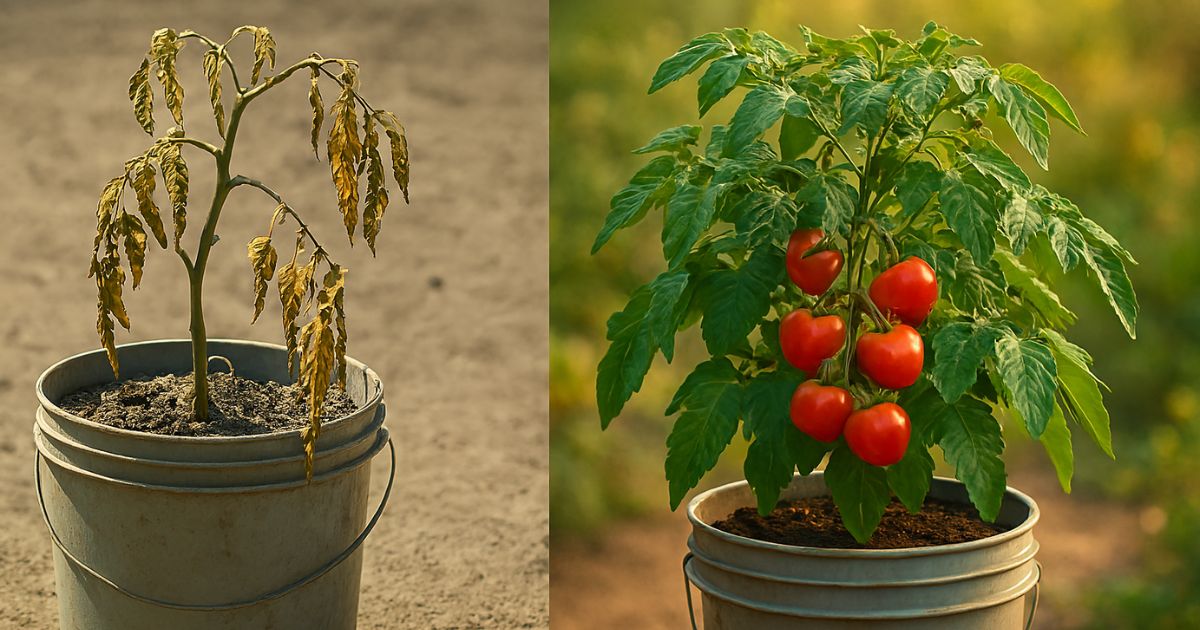
Few things make a gardener’s heart sink faster than stepping outside and seeing once-perky tomato plants slouched over like they’ve given up on life. Don’t panic—wilting doesn’t always mean your tomatoes are doomed. In fact, in most cases, the fix is quick, simple, and doesn’t require fancy equipment or expensive products.
In this guide, we’ll uncover why tomato plants wilt, how to tell if it’s a temporary hiccup or a real problem, and the easiest ways to bring them back to their upright, thriving selves.
Why Tomato Plants Wilt in the First Place
Tomato plants wilt when something disrupts the flow of water from the roots to the leaves. Sometimes it’s a minor issue—like a hot afternoon causing temporary droop. Other times, it’s a sign of disease, pests, or environmental stress. Understanding the “why” is the first step to finding the right fix.
Here are the most common culprits:
1. Underwatering
Tomatoes are thirsty plants, especially during hot weather or when growing in containers. If the soil is dry a couple of inches below the surface, the plant simply doesn’t have enough moisture to keep its leaves perky.
Quick fix: Water deeply at the base until the soil is evenly moist.
2. Overwatering
It might sound strange, but giving your plants too much water can also cause wilting. Waterlogged soil suffocates the roots, cutting off oxygen and leading to root rot.
Quick fix: Let the soil dry out slightly before watering again. Ensure pots or garden beds have good drainage.
3. Heat Stress
During scorching afternoons, tomato leaves often droop even if the soil is moist. This is a protective measure to reduce water loss through evaporation.
Quick fix: If plants perk up in the evening, it’s heat stress, not a watering problem. Provide temporary shade with cloth or netting during heatwaves.
4. Transplant Shock
If you recently moved your tomatoes into the garden, wilting can simply be their way of adjusting to new conditions.
Quick fix: Keep the soil moist and protect from harsh sun for a few days until they recover.
5. Pests and Diseases
Certain pests—like root-knot nematodes—and diseases—like Fusarium or Verticillium wilt—can cause persistent wilting that won’t improve with watering.
Quick fix: Check for pests in the roots, remove and destroy infected plants, and rotate crops yearly.
The Easiest Hack to Revive Wilted Tomatoes
Here’s a gardener’s favorite quick-save method:
Check the Soil First – Stick your finger 2–3 inches into the soil. If it’s bone dry, your plant is thirsty. If it’s soggy, overwatering is likely the issue.
Water Deeply (If Needed) – Use a slow, steady flow at the base of the plant. This encourages deep root growth.
Mulch Immediately – Add a 2–3 inch layer of straw, shredded leaves, or compost around the base. Mulch keeps soil moisture stable and shields roots from heat.
Give Temporary Shade – Especially during hot afternoons, a simple shade cloth can prevent further stress while the plant recovers.
Long-Term Fixes to Keep Tomatoes from Wilting Again
Water Consistently: Aim for deep watering 2–3 times a week rather than frequent light sprinkles.
Mulch Generously: It’s your best defense against soil moisture swings.
Prune Wisely: Remove lower leaves that touch the soil to improve airflow and reduce disease risk.
Feed Regularly: A balanced tomato fertilizer keeps plants healthy and more resilient to stress.
Choose Resistant Varieties: If wilt diseases are common in your area, opt for disease-resistant tomato types.
When It’s Time to Let Go
If your tomato plant’s wilting is caused by a serious disease like Fusarium wilt, there’s often no cure. In that case, it’s better to remove the plant, dispose of it (don’t compost), and replant in a different spot next season.
Final Thoughts
Tomato wilting can look dramatic, but in most cases, it’s a problem you can solve in minutes. Whether it’s a quick drink of water, a bit of shade, or simply a break from intense sun, your plants can bounce back fast. And with a few preventive measures, you’ll keep them standing tall and producing juicy tomatoes all season long.