Upside Down Tomatoes? Here’s Why You Should Try It (and How!)
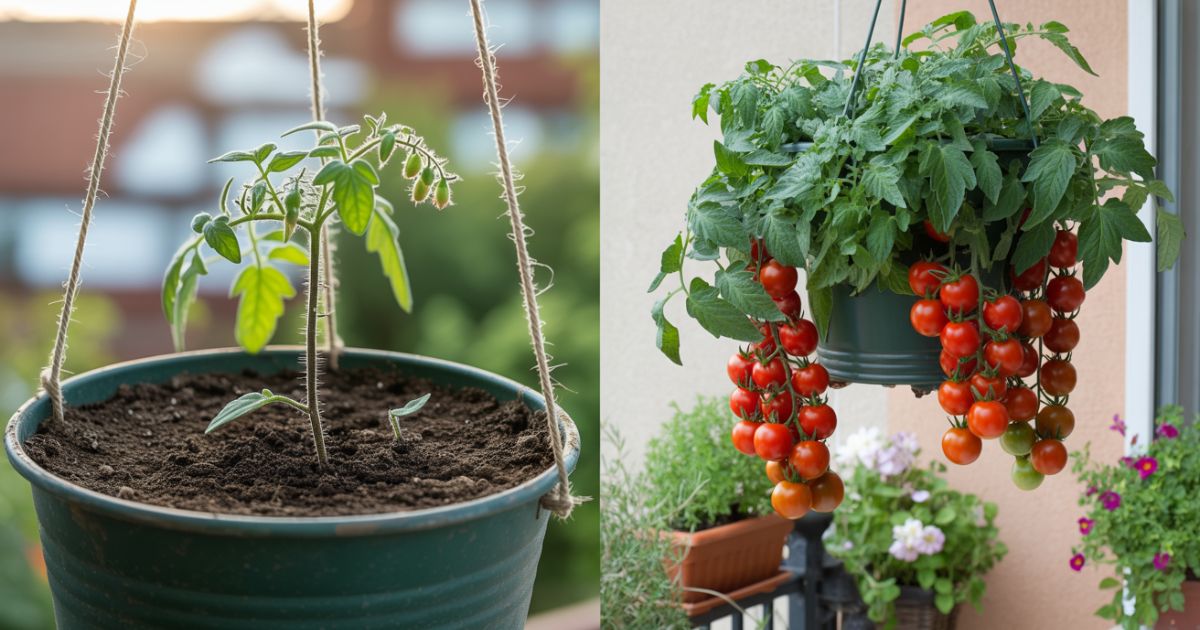
Ever thought about hanging your tomato plants upside down? It might sound odd, but this clever gardening trick has been winning over gardeners everywhere. Growing tomatoes upside down not only saves space but also boosts harvests, keeps pests away, and makes watering easier. If you’ve got a sunny balcony, porch, or even just a sturdy tree branch, you can grow tomatoes this way—no big garden required.
In this guide, we’ll cover why upside down tomatoes are worth trying and exactly how to do it successfully.
Why Grow Tomatoes Upside Down?
1. Save Precious Space
No garden beds? No problem! Hanging tomato plants are perfect for balconies, patios, or small yards. Instead of sprawling across the ground, your tomatoes grow downwards, freeing up space for other potted plants.
2. Fewer Pests and Diseases
Soil-borne diseases, slugs, and other crawling pests are less likely to attack tomatoes hanging in midair. With less contact with soil, your plants stay healthier and cleaner.
3. Better Air Circulation
Good airflow keeps leaves dry, reducing the risk of fungal infections like blight. Upside down plants naturally get more air exposure, making them less prone to rot.
4. No Weeding Required
Since you’re not planting in the ground, you can forget about weeds stealing nutrients and choking your plants.
5. Easier Watering and Harvesting
Hanging plants are at eye level, so watering and picking ripe tomatoes becomes effortless. No bending, kneeling, or back pain!
6. Stronger Stems
Gravity encourages the stems to grow sturdier as they pull downward. Many gardeners claim upside down tomatoes handle wind better than staked ones.
Best Tomato Varieties for Upside Down Growing
Not every tomato thrives upside down. The best varieties are smaller and lighter-fruited types such as:
Cherry Tomatoes (Sweet 100, Tumbling Tom, Tiny Tim)
Grape Tomatoes
Roma or Plum Tomatoes (lightweight compared to big beefsteaks)
Avoid giant beefsteak varieties; they’re too heavy and can snap the plant’s stem.
How to Grow Tomatoes Upside Down (Step by Step)
What You’ll Need
A strong 5-gallon bucket or sturdy hanging planter
Drill (to make a hole in the bottom if using a bucket)
High-quality potting mix (light, well-draining)
Tomato seedling (6–12 inches tall)
Slow-release fertilizer or compost
Sturdy hook or support to hang the planter
Step 1: Prepare the Planter
If you’re using a bucket, drill a 2-inch hole in the center of the bottom. Many store-bought upside down planters already have a built-in hole.
Step 2: Insert the Tomato Plant
Carefully push the tomato seedling’s root ball through the hole so the plant sticks out from the bottom, hanging upside down.
Gently pull the stem until only the leaves are outside, and the root system sits inside the bucket.
Tip: Wrap the base with a coffee filter or sponge to keep soil from falling out.
Step 3: Add Soil and Fertilizer
Fill the bucket with potting mix, leaving 2–3 inches from the top. Mix in some compost or slow-release fertilizer to give your plant a strong start.
Step 4: Hang It in a Sunny Spot
Tomatoes need 6–8 hours of sunlight daily. Hang your planter on a sturdy hook, pole, or tree branch that can hold at least 20–30 pounds.
Step 5: Water Regularly
Upside down planters dry out faster, so check soil moisture daily. Water slowly until it drips out the bottom. Mulching the top of the bucket with straw or moss helps keep moisture in.
Step 6: Feed and Prune
Feed with liquid tomato fertilizer every 2–3 weeks. Pinch off suckers and excess foliage to keep energy focused on fruit production.
Common Mistakes to Avoid
Overloading the planter – Too much soil or too many plants can stress the container and hooks. Stick to one tomato per bucket.
Using garden soil – It’s heavy and compacts easily. Always use light potting mix.
Skipping regular watering – Hanging planters dry out quickly, especially in hot weather.
Choosing the wrong variety – Heavy-fruited tomatoes can break stems when hanging.
Final Thoughts
Growing tomatoes upside down isn’t just a fun experiment—it’s a smart space-saving method that can reward you with juicy, healthy fruits. Whether you have a tiny balcony or just want to try something new, this technique is worth giving a shot.
So, why not flip your gardening routine upside down? Your tomatoes might just thank you with a bumper crop!