Choose the Perfect Trellis for Your Vegetables
Standing in the garden store, staring at rows of trellises, it’s easy to feel stuck. Wire, wood, arches, cages—so many choices, and each one promises better growth. The good news? You don’t need to overthink it. Picking the right trellis is mostly about understanding how your vegetables grow and giving them the support they need to thrive.
A trellis isn’t just a garden accessory. It’s a practical tool that helps plants grow upward, saves space, improves airflow, and keeps fruits clean and healthy. Whether you’re growing in raised beds, backyard rows, or containers on a patio, the right structure can make a big difference. Let’s walk through the most common trellis types and exactly which vegetables benefit from each one.
Why Use a Trellis for Your Vegetables?
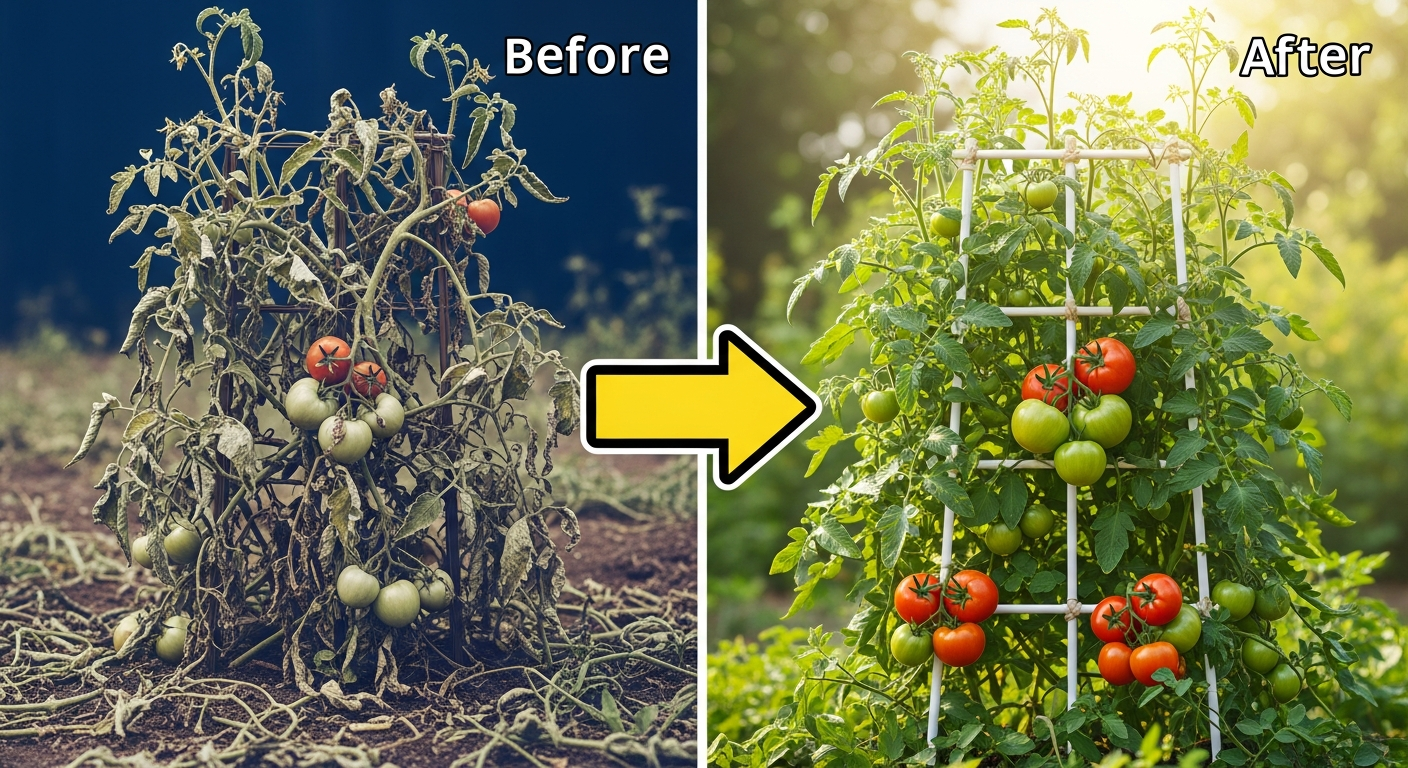
Many vegetable plants naturally climb or stretch toward the light. Without support, long vines and tall stems can flop over, break, or drag across the soil. That’s where a trellis steps in.
By guiding plants upward, a trellis:
Prevents stems from bending or snapping
Keeps fruits off the ground, reducing rot and pests
Improves air circulation, lowering the risk of disease
Makes harvesting easier
Saves valuable garden space
In short, trellises keep your garden healthier, tidier, and more productive.
Types of Trellises & What to Grow
1. Stake Trellis
Best for: Tomatoes, peppers, peas, beans, eggplants
Stake trellises are simple—just individual poles placed beside each plant. As the plant grows, you tie the stem gently to the stake. It’s straightforward and perfect for upright growers like tomatoes and peppers.
Use sturdy wood or metal stakes for taller plants, and secure them with soft garden ties to avoid damaging stems. For extra strength, you can link several stakes together with twine.
2. Cage Trellis
Best for: Tomatoes, peas, peppers
Cage trellises surround the plant with a circular frame, supporting growth from all sides. They’re especially useful for tomatoes, which can grow tall and heavy.
Choose a strong cage that won’t tip over as the plant fills out. Once in place, it becomes a reliable structure for the entire season.
3. Teepee Trellis
Best for: Pole beans, cucumbers, peas
Similar to a tripod but often larger, teepee trellises handle more vigorous climbers. Bamboo poles are a great eco-friendly option, and they blend naturally into the garden.
4. A-Frame Trellis
Best for: Pole beans, squash, cucumbers, melons, tomatoes
An A-frame trellis forms a sturdy “A” shape using two panels leaned together. It’s ideal for heavier crops and keeps vines off the soil. This design works well in raised beds and small gardens.
5. Fence Trellis
Best for: Squash, tomatoes, melons, heavy climbers
A fence can double as a trellis. Just make sure it’s sturdy enough to handle the weight of mature plants. Repurposing an existing fence saves space and materials.
6. Arch Trellis
Best for: Cucumbers, beans, melons, squash
Arch trellises create a tunnel effect, letting plants grow up and over. They’re functional and visually striking, adding charm while maximizing vertical space.
7. Ladder Trellis
Best for: Beans, peas, cucumbers
Ladder trellises feature a simple step-like structure. You can DIY one from an old wooden ladder or build it from scratch. They’re lightweight, affordable, and easy to move.
Tips for Choosing the Right Trellis
Match the trellis to the plant’s weight and growth habit
Consider your garden size and available space
Use strong materials for heavy crops like melons and squash
Place trellises where plants get full, even sunlight
Install supports early to avoid disturbing roots later
Conclusion
A trellis is more than just support—it’s a way to guide healthy growth. Many vegetables naturally reach upward, and without structure, they can collapse, break, or invite disease. The right trellis keeps plants upright, fruits clean, and gardens productive.
By matching each vegetable with the right support, you create a space where plants grow stronger and harvests become easier. Choose wisely, set it up early, and let your garden climb toward success.