10 Vegetables You Shouldn’t Skip Planting This Fall
When the days get shorter and the air turns crisp, most people assume the gardening season is over. Not so fast! Fall is actually one of the best times to grow certain vegetables. Cool weather brings out sweeter flavors, reduces pests, and makes tending your garden a lot more pleasant. Whether you’re working with raised beds, containers, or a backyard plot, these 10 vegetables deserve a spot in your fall garden.
1. Spinach
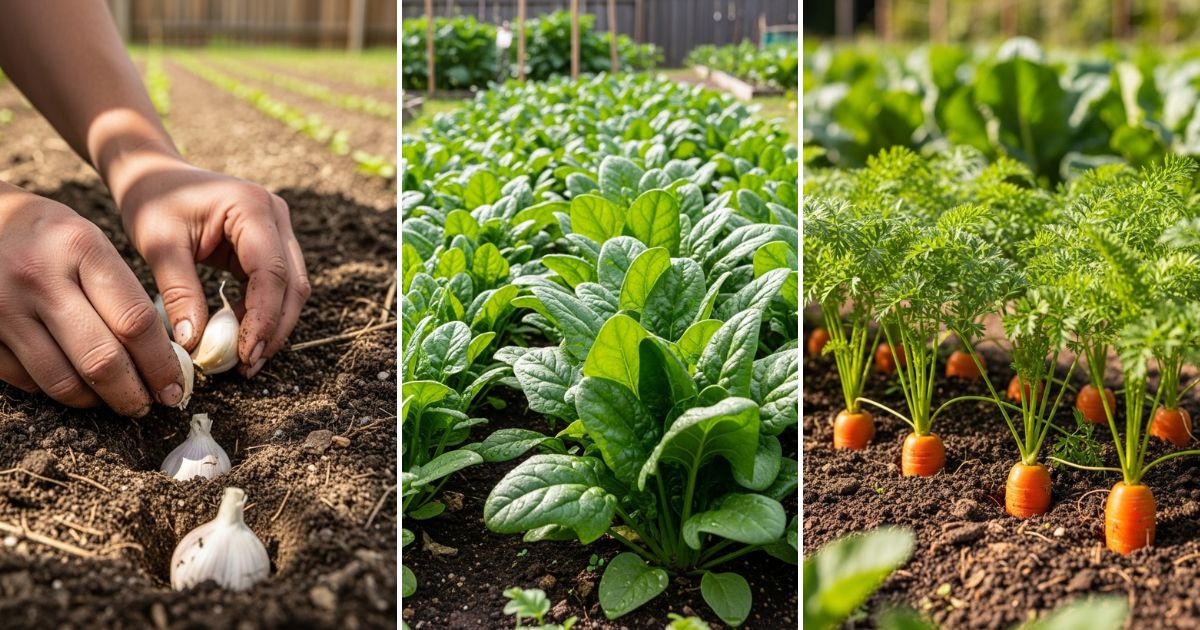
Spinach thrives in chilly weather, making it a fall superstar. The cold actually enhances its flavor, giving you tender, sweet leaves. Sow seeds directly into the soil about 6–8 weeks before your first frost, and you’ll have fresh salads ready in no time. Bonus: a light frost won’t harm it.
2. Kale
If there’s one leafy green that laughs at the cold, it’s kale. In fact, frost makes the leaves even sweeter. Plant kale in well-drained soil with plenty of compost, and you’ll be harvesting nutritious greens well into winter. Choose varieties like ‘Winterbor’ or ‘Red Russian’ for top performance.
3. Carrots
Fall is the perfect time for carrots because cooler temperatures slow growth just enough to allow sugars to concentrate. That means sweeter, crunchier roots. Sow seeds in loose soil, keep it moist, and you’ll enjoy fresh carrots straight from the garden. Leave them in the ground a little longer, and they’ll store themselves until you’re ready to pick.
4. Beets
Beets are quick growers, making them an excellent fall crop. Both the roots and the leafy tops are edible. Cooler nights bring out their earthy sweetness, and they can handle light frost with ease. Try colorful varieties like golden or striped Chioggia beets to brighten your fall harvest.
5. Radishes
If you’re after quick results, radishes are your go-to. Some varieties mature in just 25 days. Sow them weekly through fall for a steady supply. Crisp, peppery, and perfect for salads or roasting, radishes thrive in the cool soil of autumn.
6. Lettuce
Lettuce doesn’t like scorching summer heat, but it thrives in cool fall weather. From romaine to butterhead, you can enjoy tender leaves up until the frost really settles in. Grow it in containers, raised beds, or tucked between other vegetables for easy picking.
7. Garlic
Technically planted in fall for a spring harvest, garlic is a must-have. Plant cloves in well-drained soil about 2 inches deep, cover with mulch, and let nature work its magic. Come summer, you’ll have full bulbs ready for the kitchen—and fragrant garlic scapes in spring.
8. Onions
Like garlic, onions benefit from a fall planting. Depending on your region, you can plant sets or seedlings to overwinter and harvest next year. They’re low-maintenance, and the cool season helps them establish strong root systems.
9. Broccoli
This cool-season crop is tailor-made for fall. Broccoli loves chilly nights and moderate days, producing large, flavorful heads. Start seeds indoors in late summer and transplant them outdoors in early fall. Keep the soil rich and moist, and you’ll be rewarded with tender florets that taste far better than store-bought.
10. Brussels Sprouts
They may take a little patience, but Brussels sprouts are worth it. These mini cabbages actually improve in flavor after a frost, turning sweeter and less bitter. Plant them early in the season so they have time to mature, and you’ll have a healthy harvest through late fall.
Tips for a Successful Fall Vegetable Garden
Mind the frost dates: Count backward from your first expected frost to know when to plant each crop.
Mulch generously: It keeps the soil warm and retains moisture.
Harvest often: Many fall crops keep producing the more you pick.
Use row covers: Protect tender veggies from sudden cold snaps and extend your growing season.
Final Thoughts
Don’t pack away those garden gloves just because summer’s gone. Fall is the secret season for sweeter harvests and fewer pests. By planting spinach, kale, carrots, and the rest of these ten hardy vegetables, you’ll enjoy fresh, home-grown produce long after your neighbors have called it quits.
So grab those seeds, roll up your sleeves, and make the most of the cooler months—your taste buds will thank you.